
Protect What Matters
Special Needs Trust Attorney in Bentley, KS
For families in Bentley raising or caring for a loved one with disabilities, the fear is always the same. If money is left directly to your child or family member, it could disqualify them from the very government benefits they depend on. A properly drafted special needs trust lets you provide for their future without putting Medicaid, SSI, or KanCare eligibility at risk. You have more options than you think, and the firm has helped Bentley families build plans that protect both the inheritance and the benefits.
Common Mistakes Bentley Families Make
Families in Bentley often come to us after a mistake has already been made, not before. The most common problems we see include leaving an inheritance directly to a family member with a disability through a simple will, naming that same family member as a beneficiary on a life insurance policy or retirement account without routing it through a trust, assuming a basic will is enough to protect someone receiving government benefits, and waiting until a parent or grandparent has already passed away to ask what could have been done differently.
Each of these mistakes can be avoided with the right plan in place while everyone involved is still able to make decisions together.
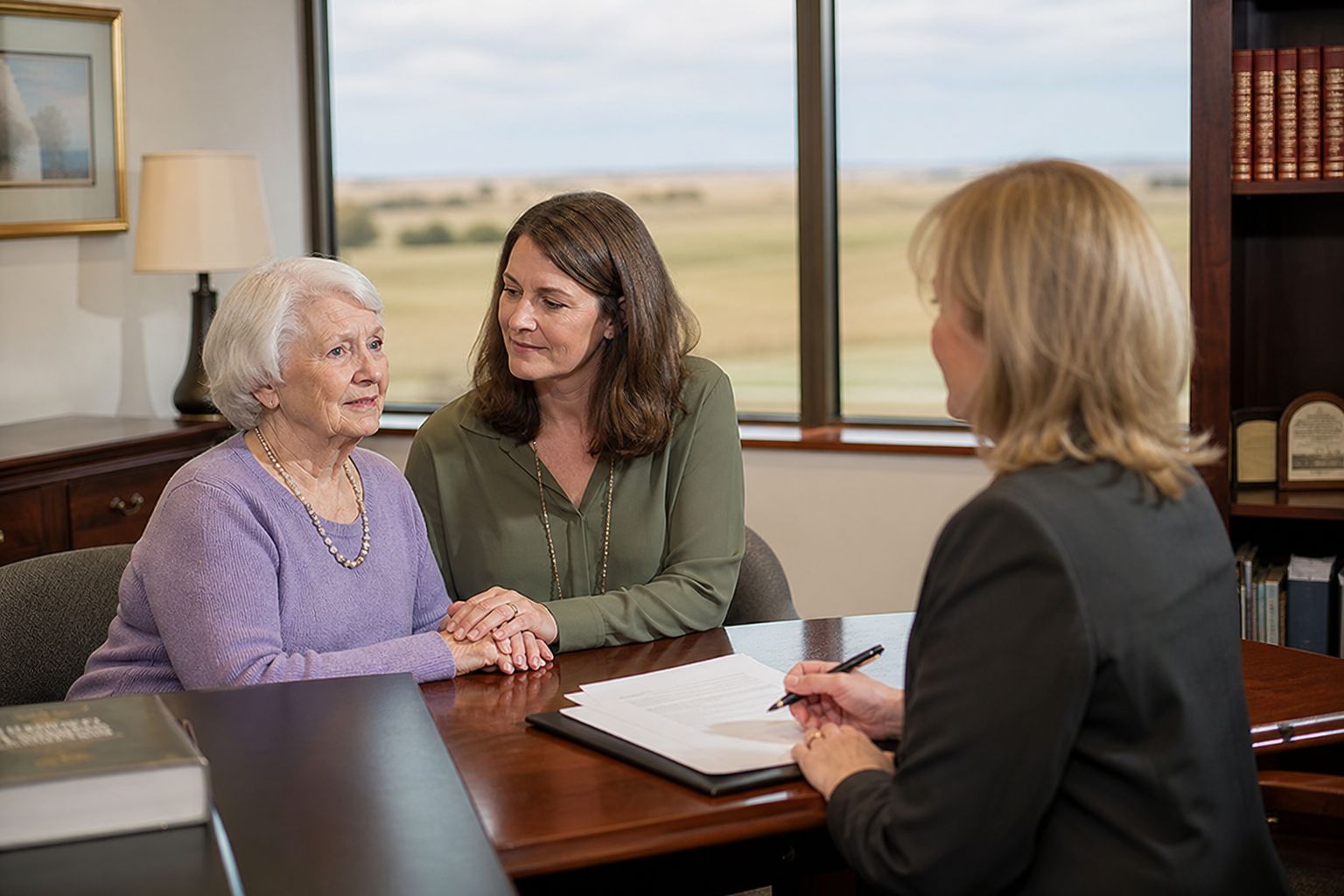
Why Bentley Families Trust Advanced Legal Planning
Attorney Mark Galloway holds a dual LL.M., a Master of Laws in Elder Law from the University of Kansas and a Master of Laws in Tax from Boston University. That combination matters for special needs planning specifically, since a trust that is not drafted with both benefits eligibility and tax treatment in mind can create problems years down the road that are far more expensive to fix than to prevent. Families across Bentley and the surrounding area work with the firm because every plan is built around their actual circumstances, not a generic template.
The Medicaid Planning Blueprint
Step one is the initial consultation. The firm listens to your family's specific situation, including who the trust is meant to protect, what benefits they currently receive or may need in the future, and what assets are involved.
Step two is strategy design. The firm identifies whether a first party or third party special needs trust fits your family, how the trust should be funded, and who should serve as trustee to manage the funds responsibly over time.
Step three is implementation. The trust is drafted, properly funded, and integrated with the rest of your estate plan, so it works alongside your will or living trust rather than creating conflicts between documents.
Three Ways Bentley Families Pay for Long Term Care
Long Term Care Insurance can help offset the cost of care for a family member, though policies vary widely in what they cover and should be reviewed carefully before relying on them.
Private Pay remains an option for families with the resources to cover care costs directly, though most families find this becomes unsustainable over an extended period of time.
Medicaid, through KanCare in Kansas, covers long term care and support services for many families, but protecting eligibility requires assets to be structured correctly well before they are needed.
What One Bentley Family Experienced
"Our son has autism, and we always worried that if something happened to us, an inheritance would cost him his benefits instead of helping him. The firm walked us through exactly how a special needs trust works and helped us set one up that protects him no matter what happens to us."
— a Bentley family
Ready to protect your family's future?
Call Advanced Legal Planning at (316) 252-2233 or schedule a consultation online. Virtual meetings available to Bentley families.

Frequently Asked Questions
Will a special needs trust affect my family member's Medicaid or SSI benefits?
A properly drafted special needs trust is specifically designed to supplement, not replace, government benefits, so funds in the trust generally do not count against Medicaid or SSI eligibility limits when structured correctly. Learn more about how this fits into a full plan on our Special Needs Trusts Planning page.
Can I set up a special needs trust in Bentley if my family member already receives benefits?
Yes, a trust can often be established even after benefits have already begun, though timing and structure matter. It is best to speak with an attorney before making any changes to income or assets.
What is the difference between a first party and third party special needs trust?
A first party trust is funded with the beneficiary's own assets, such as a settlement or inheritance already received, and generally requires Medicaid payback provisions. A third party trust is funded by a parent, grandparent, or other family member and does not carry the same payback requirement.
Do I still need a will if I set up a special needs trust for my child?
Yes, a special needs trust addresses how funds are protected and managed, while a will or living trust addresses your broader estate, including guardianship nominations and distribution of other assets. Our Estate Planning Overview page covers how these documents work together.
How much does a special needs trust cost in Bentley?
Costs vary based on complexity and whether the trust is a stand alone document or integrated into a larger estate plan. We offer transparent pricing and walk through all options during your consultation.
Serving Families Throughout the Wichita Area
Advanced Legal Planning proudly serves families in Bentley and throughout Sedgwick County, including Goddard, Cheney, Andale, Maize, and Wichita. Wherever you live, our team is here to help you protect what matters.
Ready to protect your home, savings, and family's future? Call Advanced Legal Planning at (316) 252-2233 or schedule a consultation online. Virtual meetings available.

At Advanced Legal Planning, we believe long-term care shouldn’t mean losing everything. Our dedicated team helps families navigate Medicaid and estate planning, ensuring you can protect your home, savings, and future—without the confusion or stress.


Get In Touch
Call (316) 252-2233 for Professional Medicaid & Estate Planning
Derby Office
111 N. Baltimore Ave Derby, KS 67037
Mon – Fri 9am to 5pm
Sat & Sun – Closed
Wichita Office
10300 W Central Ave Wichita, KS 67212
Mon – Fri 9am to 5pm
Sat & Sun – Closed