
Medicaid Spend-Down in Kansas: What Counts, What Doesn’t, and Common Application Mistakes
Have you looked at the cost of nursing home care in the Wichita or Derby area lately? The price tag can be shocking. In Kansas, nursing home care often costs $7,000 to $9,000 per month. For many local families, paying this amount for care is simply not possible for very long.
You may know that Medicaid can help pay these bills. However, you might also be afraid that you need to go completely broke to qualify. This helps explain why the term “spend-down” causes so much anxiety.
At Advanced Legal Planning, we want you to know that you may not have to lose everything. There are legal ways to protect your home, your farm, and your savings. We help families navigate Kansas Medicaid spend-down rules.
What Is a Medicaid Spend-Down?
To qualify for Medicaid in Kansas, you must have limited assets. If you have more money than the limit allows, the state requires you to “spend down” the excess before it will help pay for care.
Think of it like an insurance deductible. You have to pay a certain amount of your own money before coverage begins. However, how you spend that money matters significantly.
Many families panic and begin spending on the wrong things or giving money away. Spending funds incorrectly can hurt your chances of qualifying for benefits.
What Counts Toward the Spend-Down?
When the state reviews your finances, it looks at assets that can be converted into cash. These are called countable assets. If your countable assets exceed the limit, the difference must be spent down.
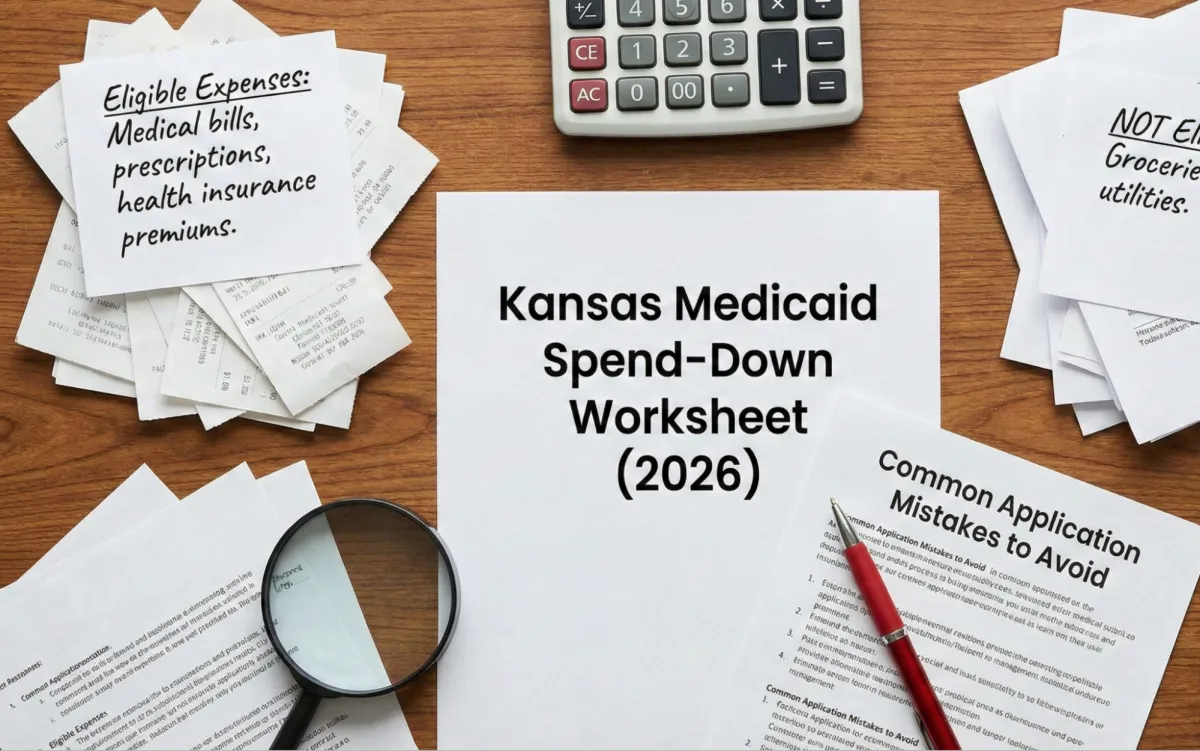
Allowable spend-down expenses may include:
Past Medical Bills: Unpaid doctor or hospital bills
Health Insurance Premiums: Costs for existing coverage
In-Home Care Costs: Payments for care currently being received
Prescription Medications: Costs not covered by insurance
These are only a few examples from a much larger list of allowable expenses.
What Doesn’t Count? (Assets You Can Keep)
Kansas Medicaid does not count certain assets for eligibility purposes, meaning they are excluded when determining whether you qualify.
Common non-countable assets may include:
Your home: If you intend to return home or a spouse continues to live there
One vehicle: Used for transportation
Personal belongings: Furniture, clothing, and household items
Prepaid funeral plans: Certain irrevocable funeral arrangements
Retirement accounts of the spouse not receiving care: These accounts may be exempt in some situations
Protecting a home or family farm is often a primary concern. Whether exempt assets alone are sufficient depends on the overall financial picture.
Common Mistakes Families Make
Medicaid rules are strict, and even small mistakes can cause delays or denials.
1. Giving Money Away
Some people believe transferring assets to a family member will protect them. Kansas enforces a five-year look-back period. Transfers made during this time can result in a calculated penalty period during which Medicaid will not pay for care.
2. Spending on the Wrong Things
Funds must be spent for the benefit of the applicant or their spouse. Gifts, vacations, or non-essential purchases generally do not qualify.
3. Failing to Keep Receipts
Documentation is critical. Without proof of where funds were spent, Medicaid may reject the expense.
How to Spend Down Wisely
There are ways to reduce assets while preserving value for the family. Instead of simply paying care costs, some funds may be used to purchase non-countable items.
Examples may include:
Paying Off Debt: Such as a mortgage on the primary residence or outstanding credit cards
Home Improvements: Repairs or modifications if a spouse remains in the home
Replacing a Vehicle: Trading in an older car for a more reliable one
Advanced Medicaid Strategies: In some situations, larger asset preservation techniques may be available
These approaches convert countable assets into non-countable assets when done properly.
Why Choose Advanced Legal Planning?
Navigating Medicaid rules can be overwhelming. Families in Derby and Wichita work with us because we provide guidance grounded in Kansas law.
Asset Protection Focus: Helping families pursue care without unnecessary asset loss
Local Experience: Familiarity with Kansas Medicaid rules and local property concerns
Clear Guidance: Explaining the process in straightforward terms
Flexible Appointments: If travel is difficult, consultations can be held by Zoom or phone
Planning Ahead Matters
Medicaid spend-down decisions can affect eligibility and available options. Thoughtful planning can help families avoid unnecessary mistakes and delays.
If you are concerned about Medicaid spend-down rules or want help understanding your options, a conversation may help clarify next steps.
Call (316) 252-2233 to discuss your situation.
You may also request a consultation to review planning options.