
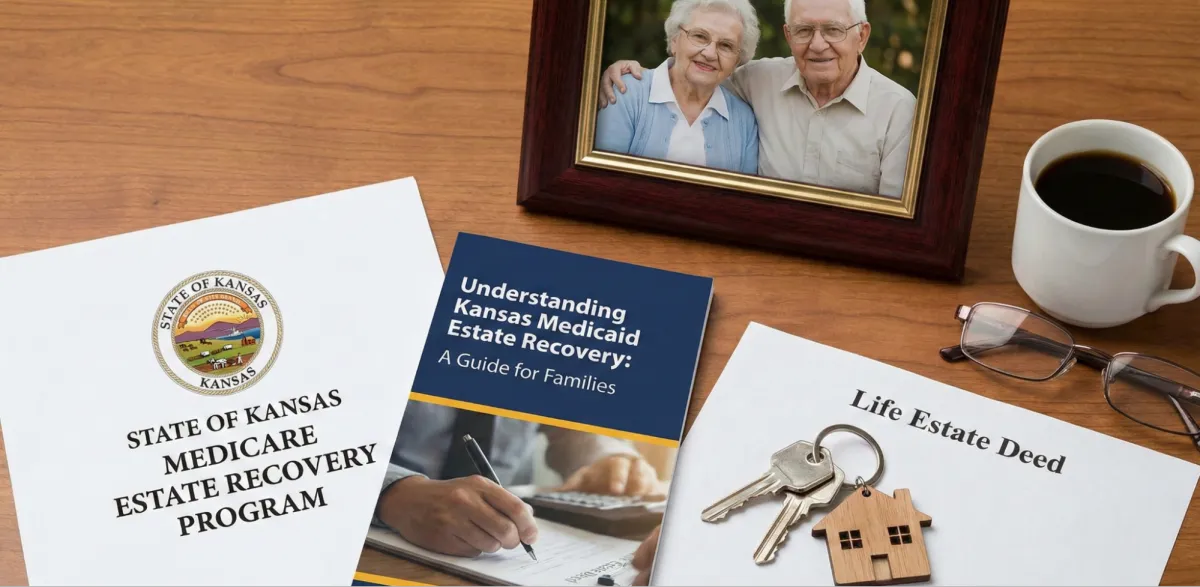
Kansas Medicaid Estate Recovery: What Happens After Death and How Families Can Protect the Home
Your home is the center of your family's life. It is where you raised your children and where you celebrate holidays. For many families in Derby and Wichita, the house is the most valuable thing they own. It is the legacy they want to leave behind.
However, many seniors worry that needing Long-Term Care means losing their home. You might have heard that the state will take your house to pay for nursing home bills. This fear keeps many people from getting the help they need.
We are here to tell you that you have options. You may not have to lose everything to get quality care. At Advanced Legal Planning, we help families understand their options for protecting their homes and savings.
What Is Medicaid Estate Recovery?
Medicaid is a program that helps pay for Long-Term Care, such as nursing homes. Unlike traditional health insurance, Medicaid is subject to federal and state recovery rules. After a Medicaid recipient passes away, the State of Kansas may attempt to recover costs paid on the individual’s behalf. This process is known as Medicaid Estate Recovery.
The state reviews what the person owned while receiving Medicaid, which may include their home. For many people, the home is the most significant asset involved. The state may attempt to place a lien against the home to recover Medicaid expenses, which can create challenges for surviving family members.
Does the State Always Take the House?
No, the state does not always take the house. There are specific rules that limit when Medicaid Estate Recovery may occur. For example, recovery is generally not pursued while:
A spouse is still living in the home
A minor child lives in the home
A child who is blind or disabled lives in the home
Even if these exceptions do not apply, planning options may still be available. Timing and proper legal guidance are key.
How We Help You Protect Your Home
The most effective way to protect a home is to plan before Long-Term Care is needed. In some situations, planning options may still exist even after care has begun. Legal tools may help structure assets in a way that aligns with Medicaid rules.
Asset Protection Trusts
In some cases, a trust may be used as part of a Medicaid planning strategy. When a home is transferred into a properly structured trust, it is owned by the trust rather than the individual.
The person creating the trust can often remain involved in managing the trust and may continue living in the home. However, assets generally cannot be distributed back to the individual in a way that qualifies the trust assets as “resources” under Medicaid rules.
Important: If trust planning is done too late, it may result in Medicaid penalties. Timing is critical, and not all situations are appropriate for trust-based planning.
Why Choose Advanced Legal Planning?
Navigating Medicaid Estate Recovery can feel overwhelming. Families in Derby and Wichita choose to work with us because we offer:
Kansas-Focused Experience: Our work centers on elder law and Medicaid planning under Kansas-specific rules.
Asset Protection Focus: We help families explore options to pursue benefits while preserving assets when legally possible.
Clear Answers: We explain the process in plain language so families understand their options.
Flexible Appointments: If travel is difficult, appointments can be held over Zoom or phone.
Planning Matters
Medicaid planning is highly dependent on timing and sequence. If things are done out of order, opportunities to preserve assets may be more limited.
You worked hard for your home. With proper planning, it may be possible to reduce the impact of Medicaid Estate Recovery and stop the state from placing a lien if possible, depending on the circumstances.
Contact Us Today
You do not have to navigate Medicaid Estate Recovery alone. A clear plan can help you understand what options may be available.
Call (316) 252-2233 to speak with our team.
You may also request a consultation to discuss your situation and next steps.