
Dementia Power of Attorney in Kansas | Advanced Legal
A dementia diagnosis does not automatically mean your loved one can no longer sign legal documents. In Kansas, a person in the early stages can often still sign a Power of Attorney, a Healthcare Power of Attorney, and other planning documents, as long as they have sufficient understanding of the decisions involved and can communicate their wishes to the attorney, who makes sure the documents carry those wishes out. Capacity is document-specific. For a will, that might mean understanding the nature of their property and who they want to receive it. For a Power of Attorney, it might mean understanding whom they are authorizing to help with checks, bills, and similar tasks. These are examples, not complete legal tests. Advanced Legal Planning in Derby and Wichita helps Kansas families act during that window.
Most families hear a dementia diagnosis and focus first on doctors, medications, and safety at home. That is natural. Families often wait to address legal issues until an event forces them to act. A bank may refuse to talk to an adult child, or a hospital may ask who has authority to make decisions. By then, the options can be narrower than they would have been a few months earlier.
This article walks through the steps that matter most after a diagnosis, in the order families usually need them.
Can someone with dementia still sign a Power of Attorney in Kansas?
Often, yes. Capacity depends on the specific decision in front of the person on the day they sign. Someone in the early stages of cognitive decline may still understand who they are naming, what authority they are giving, and why. If they do, they can generally sign documents.
Capacity can also change from day to day and even from one part of the day to the next. Many families notice that a loved one is sharper in the morning, after a good night of sleep. A skilled attorney will meet with the person, ask open-ended questions, and pay attention to whether the person understands the choices being made. A medical opinion that someone cannot generally manage their finances does not necessarily decide whether they have the capacity to sign a particular document. What matters is that the required understanding, and sufficient lucidity, are present at the time of signing.
What legal planning should families address during the early stages of cognitive decline?
Powers of Attorney, health care documents, and the appropriate will or trust all belong in the same planning window. Each one matters, and some may require a greater level of understanding than others, so it makes sense to address them together rather than putting any of them off:
A general Power of Attorney. This names an Agent to handle financial, property, business, legal, and other non-healthcare matters for the Principal. In Kansas, a Power of Attorney can be made durable so it keeps working after the Principal loses capacity, which is exactly when the family needs it most.
A Healthcare Power of Attorney. Healthcare decisions are handled separately. A general Power of Attorney does not give the Agent authority over medical care. A Healthcare Power of Attorney names a healthcare Agent to make medical decisions when the person cannot.
A living will. This states the person's wishes about life-sustaining treatment. Many families find it helpful to have both, and our article on why you need both a living will and a Healthcare Power of Attorney explains how they work together.
The appropriate will or trust. A will or revocable living trust that reflects what your loved one wants today. The section below on updating the estate plan covers what to review.
Powers of Attorney drafted with dementia in mind may need to include authority to make gifts, sign a caregiver agreement, work with a trust, or carry out Medicaid planning. Those powers are not always in a standard form, and an Agent generally cannot use powers the document does not give them.
What happens if these documents are not signed in time?
If your loved one can no longer understand or sign documents and there is no valid Power of Attorney in place, the family may need to ask a court to appoint a Guardian, a Conservator, or both. Guardianship and conservatorship are court proceedings. They take time, they cost money, and they place the person's affairs under ongoing court supervision.
A Conservator also has less room to act than an Agent under a well drafted Power of Attorney. Certain transactions involving property, gifts, or trusts can require court approval first, even when the purpose is legitimate Medicaid planning. That can slow down planning at the moment a family needs to move quickly. Our article on Power of Attorney vs. guardianship in Kansas covers the differences in more detail.
Signing the right documents while your loved one can still understand them is usually the most direct way to keep the family out of court.
Should the estate plan be updated after a dementia diagnosis?
It is a good time to look at the whole plan, not just the Powers of Attorney. A few questions to ask:
Is there a will or a revocable living trust, and does it still reflect what your loved one wants?
If there is a trust, are the right assets titled in the trust, and are retirement accounts and life insurance funneled through it by beneficiary designation?
Who is named as successor Trustee, and is that person still able and willing to serve?
Are beneficiary designations on bank accounts, retirement accounts, and life insurance up to date?
Updating a will or trust takes capacity too, and the legal standard for wills and trusts can differ from the one for a Power of Attorney. That is one more reason not to wait. If your loved one wants to make changes, the early stage of the disease is often the time it can still be done.
How does a dementia diagnosis affect Medicaid planning in Kansas?
Dementia often leads to a need for memory care or nursing home care, sometimes within a few years. In Kansas, nursing home care will usually cost around $9,000 per month, and that cost can wear down a lifetime of savings quickly.
Kansas Medicaid, known as KanCare, can help pay for long-term care, but it has rules about assets and a five-year look-back on transfers. Early planning usually leaves more options open. For some families, that may include a Medicaid Asset Protection Trust (MAPT), which works best when it is set up well before care is needed. For others, it may mean crisis planning once care has already started. Our guide to the Medicaid five-year look-back in Kansas explains how timing affects these choices.
If your loved one is married, the healthy spouse may have protections too. When one spouse needs memory care, the plan should look at both spouses together. Our elder law and Medicaid planning page describes how Advanced Legal Planning approaches this.
What should families do in the first 30 days after a diagnosis?
You do not have to solve everything at once. These steps cover the most important ground:
Find the documents your loved one already has: wills, trusts, Powers of Attorney, deeds, and recent account statements.
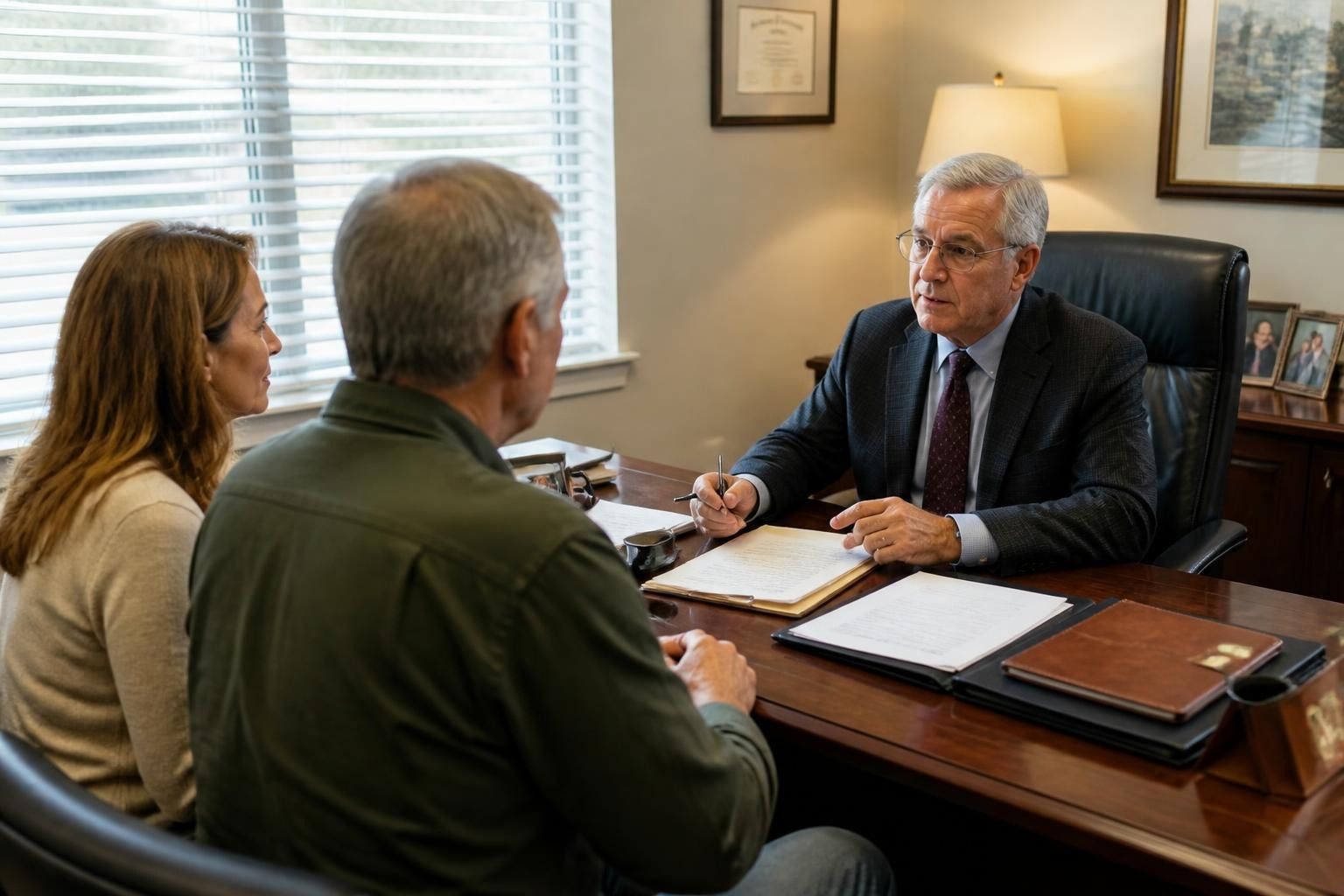
Schedule a meeting with an elder law attorney while your loved one can still take part in the conversation.
Talk with a skilled elder law attorney about document-specific capacity, meaning the level of understanding each document requires.
Sign or update the general Power of Attorney and the Healthcare Power of Attorney.
Review the estate plan and beneficiary designations, and decide whether long-term care planning should start now.
Make sure the people named as Agents and Trustees know where the documents are kept.
The Alzheimer's Association also offers free resources for families on the medical and caregiving side of a diagnosis.
Frequently asked questions
Can I sign a Power of Attorney for my loved one who has dementia?
No. No one else can supply the capacity your loved one needs to sign their own Power of Attorney. If that understanding is gone, the family may need to go through a guardianship and conservatorship proceeding. Being physically unable to sign is a different situation. If your loved one still has capacity but cannot hold a pen or sign his or her name, another person may be able to sign at that individual’s direction. The signer is sometimes called an amanuensis, which simply means someone who signs on another person’s behalf at their request. Kansas signing requirements still apply.
Does a dementia diagnosis cancel an existing Power of Attorney?
No. A durable Power of Attorney signed while the person had capacity generally stays in effect after they lose capacity. That is the purpose of making it durable. It is still worth reviewing an older document to make sure it includes the powers the family will need.
Is it too late to do Medicaid planning after a dementia diagnosis?
Usually not. The options can be wider if planning starts early, but planning can still help after care has begun. Each situation is different, so it is worth talking with an elder law attorney as soon as possible.
Who should be named as Agent for someone with dementia?
Choose someone trustworthy, organized, and available, and name at least one backup. The Agent may be making decisions for years, so it helps to pick someone who can work well with the rest of the family.
Talk with Advanced Legal Planning while there is still time to plan
A dementia diagnosis is hard news, and legal issues do not have to add to the weight. With the right documents signed early, your family can make decisions together and avoid a court process later. Advanced Legal Planning helps Kansas families put Powers of Attorney, estate plans, and long-term care plans in place after a diagnosis. Learn more about our financial power of attorney planning, or call (316) 252-2233 to schedule a consultation. Virtual meetings are available upon request.
About Advanced Legal Planning, LLC
Advanced Legal Planning, LLC serves individuals and families across Kansas. Its offices are in Derby and Wichita. The firm is led by Mark A. Galloway, Attorney at Law, who holds dual LL.M. degrees, one in Elder Law from the University of Kansas and one in Tax from Boston University. The firm helps families protect their homes, savings, and legacies for the next generation.